
In November 2025, Tesla’s shareholder meeting overwhelmingly approved a compensation plan that shocked the world: over the next decade, Elon Musk could receive Tesla stock awards worth nearly one trillion dollars. This is not only the most extravagant executive compensation package in history but also sets the world’s richest person, with a current net worth of $504 billion, on the track to potentially become “humanity’s first trillionaire.”
At this point, Musk’s wealth empire spans three frontier fields: electric vehicles, space exploration, and artificial intelligence. Over the next ten years, will this trillion-dollar compensation be fully unlocked? How much incremental revenue will SpaceX’s Starlink and Tesla’s robotics contribute? Today, we deconstruct this tech maverick’s ten-year income blueprint.
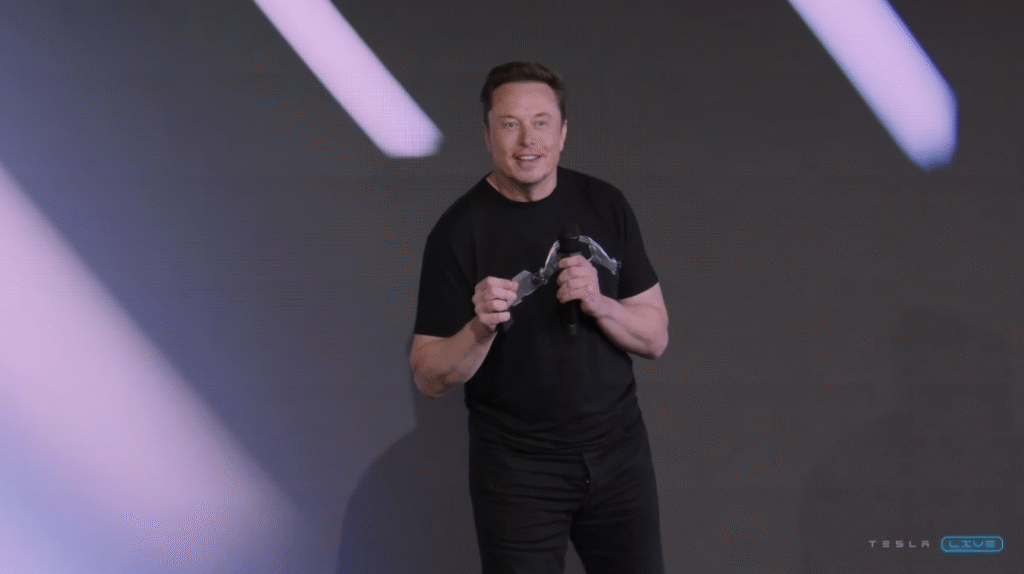
This market-stirring compensation plan is not a handout; it’s tied to 12 extremely challenging milestone goals covering both market capitalization and operational performance. Each step could be considered an industry miracle.
Market Capitalization Targets: From $1.5 Trillion to $8.5 Trillion. Tesla’s current market capitalization is approximately $1.5 trillion. To unlock the first batch of stock incentives, the market cap must first exceed $2 trillion, then increase by $500 billion in each subsequent stage, culminating in an ultimate target of $8.5 trillion. This requires Tesla’s market cap to grow nearly fivefold within a decade, a figure surpassing the combined market capitalization of many top global tech companies today.
Operational Targets: Achieving Breakthroughs in Five Key Metrics. Musk must hit a series of ambitious targets within ten years: cumulative deliveries of 20 million vehicles, 10 million active FSD subscribers, deployment of 1 million commercial Robotaxis, production of 1 million humanoid robots (Optimus), and increasing adjusted EBITDA to $400 billion – a more than twentyfold increase from current levels.
It’s worth noting that the core value of this compensation package lies not just in wealth, but also in control. If fully realized, Musk’s stake in Tesla would increase from 13% to 25%, solidifying his control over this technology giant as it transitions towards AI and robotics.
Musk’s income doesn’t rely solely on Tesla’s compensation. His holdings in companies like SpaceX and xAI are becoming key drivers of his wealth growth. By 2025, these assets have already contributed over $280 billion to his net worth, and their growth potential over the next decade is even more impressive.
Starlink Accounts for Half of Revenue. As the absolute controlling shareholder of SpaceX (holding 42%), Musk’s stake in this asset is currently valued at approximately $168 billion. The Starlink business has become a core growth engine, with projected 2025 revenue reaching $10-11 billion, surpassing the rocket launch business for the first time. Over the next five years, Starlink is poised for explosive growth: after deploying its third-generation satellites in 2026, the user base is expected to exceed 10 million and could reach 50 million by 2030. Based on the current residential ARPU of $550 per year, the consumer market alone could generate tens of billions in annual revenue. Coupled with high-value users in aviation, maritime, and government sectors, Starlink could become a multi-ten-billion-dollar revenue business within a decade.
A Potential AI Unicorn. Founded in 2023, xAI has seen its valuation soar to $113 billion in just two years, with Musk’s stake valued at approximately $60 billion. With iterations of the Grok chatbot and the implementation of multimodal models, xAI is poised to capture a share of the AI market. Drawing parallels to the growth of current AI giants, if xAI successfully commercializes its products in the next decade, the wealth it generates for Musk could reach the hundred-billion-dollar level.
Tesla’s Diversified Business: Beyond Cars. In addition to its core automotive business, Tesla’s energy storage and software services are rapidly emerging. In 2024, its energy storage business revenue reached $10.09 billion, with gross margins rising to 26.2%. The target annual deployment for 2030 is 1,500 GWh, requiring a ten-year compound annual growth rate of 90%. The FSD subscription service is projected to generate $50 billion in revenue by 2030, and the Supercharger network could contribute $6-12 billion in annual revenue. The growth of these businesses will directly drive Tesla’s market value and help Musk unlock his compensation.