
Brain-Computer Interface (BCI) technology, once confined to science fiction, has officially transitioned from experimental trials to commercialization in 2026. Defined as a direct communication channel between the brain and external devices that bypasses nerves and muscles, BCI systems operate through four core steps: signal acquisition via electrodes, noise filtering, AI-powered decoding, and feedback loops – enabling “thought control” to become a tangible reality. Three dominant technical routes have emerged: (1) non-invasive devices such as scalp-worn headsets, which offer safety and accessibility for consumer use. (2) Invasive implants that deliver ultra-high signal precision for medical applications despite surgical risks. (3) Semi-invasive systems implanted between the skull and cortex, striking a balance that has driven recent medical breakthroughs.
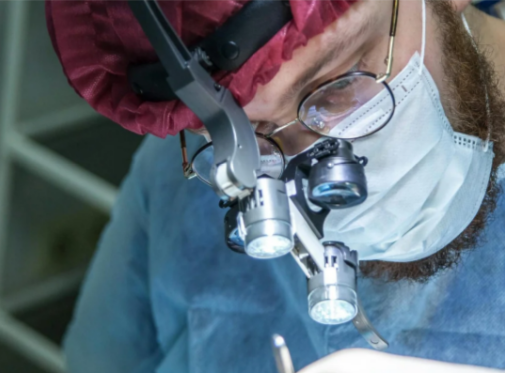
Global BCI breakthroughs: Transforming lives in healthcare and beyond
The most mature application of BCI lies in medical rehabilitation, where life-changing outcomes are already documented worldwide. China’s “Beinao-1” semi-invasive system has benefited six patients, with stroke survivors regaining hand movement within a week post-implantation, ALS patients achieving 63% accuracy in speech decoding, and paraplegics controlling prosthetics with 85% precision. Another Chinese milestone in invasive technology saw a quadriplegic patient successfully operate smart wheelchairs and robotic dogs via the WRS01 system, achieving a 100ms end-to-end delay – faster than natural neural responses – for 3D physical interaction. On the global front, Elon Musk’s neurotech firm Neuralink has enabled seven patients to control computers, robotic arms, and even convert thoughts to speech. In a groundbreaking revelation, first human recipient Nolan Arbaugh disclosed that his implant supports over-the-air (OTA) updates, similar to Tesla’s software upgrades, resolving 85% of electrode detachment issues through remote sensitivity enhancements. Neuralink has also confirmed plans for mass production in 2026, with fully automated surgical procedures set to reduce implant time to under one hour and costs by 70%. Beyond healthcare, BCI’s reach continues to expand: (1) Non-invasive headsets are now used for fatigue monitoring in high-speed rail and construction vehicle operators, cutting accident rates by 15% (2) Sleep tracking and attention-training devices are already on the market, with brain-controlled gaming hardware in pilot stages. (3) Clinical trials are exploring emerging frontiers such as Alzheimer’s early detection, Parkinson’s symptom regulation, and addiction treatment.
Ethical debates and regulatory challenges
As BCI scales, critical questions about privacy, data ownership, and human autonomy have come to the forefront. Experts emphasize that “mind-reading” remains sci-fi for at least a decade, as current technology only decodes specific brain activities like motor intentions or visual signals – not unspoken thoughts or emotions, which are not part of algorithmic training. The real concern lies in protecting neural data, such as brain activity patterns of depression patients, which are safeguarded through hardware firewalls and encryption. Global regulatory frameworks for BCI continue to diverge: China has adopted a state-led “technology + ethics” dual governance model, with seven ministries issuing development guidelines in 2025, BCI services covered by medical insurance, and strict device standards enforced. The U.S. relies on the FDA’s risk-based regulation, including Breakthrough Device Designation to accelerate innovation, though neural data protection depends on fragmented state laws in regions like Colorado and California. The EU combines MDR (Medical Device Regulation) and AI Act oversight, classifying high-risk BCI as restricted AI systems and granting strict protection to neural data as biometric information under GDPR. Core controversies persist, including unclear legal frameworks for the commercial use of de-identified aggregated neural data despite individuals retaining ownership rights, liability debates that have led experts to propose autonomous vehicle-style classification – product liability for device failures, user responsibility for clear intentions, and shared liability for mixed faults – and accessibility concerns, as current implant costs ranging from 150,000 to 200,000 risk making BCI a “privilege for the wealthy” without universal healthcare coverage.
The future of BCI: Balancing innovation and human dignity
Industry analysts project medical rehabilitation will remain BCI’s primary focus over the next five years, with consumer products needing to address usability gaps. Neuralink’s $500 billion valuation and plans to integrate BCI with humanoid robots, smart homes, and metaverse platforms signal broader ecosystem expansion. “BCI is not about turning humans into machines, but about empowering humanity,” noted a leading neuroethicist. “The key is balancing innovation with safeguards that protect human dignity.” As the technology evolves, global collaboration on regulatory standards and ethical guidelines will determine whether BCI fulfills its potential as a force for inclusive progress.