
As “fur babies” become “new family members” in more households, the pet economy has leaped from a niche sector to a core growth engine of the consumer market. Driven by emotional needs and consumption upgrading, it is steadily advancing toward a trillion-yuan scale. This warm and dynamic industry not only reshapes consumption scenarios but also fosters a new industrial ecosystem and business opportunities.
Social structural changes: The underlying logic of the pet economy boom
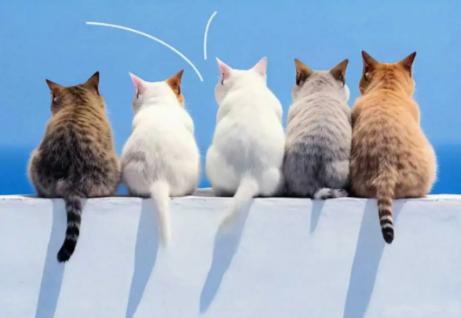
Rising numbers of single youths, shrinking family sizes, and deepening aging have laid the social foundation for the pet economy’s explosion. For Gen Z, pets serve as emotional anchors to alleviate loneliness and establish life order, as well as social symbols to express lifestyle attitudes. For the elderly, pets are vital companions to combat isolation and fill spiritual voids. Even traditional families regard pets as playmates for children and comfort for the elderly, forming a cross-generational consensus on the concept of “human-pet coexistence”.
This emotional bond directly translates into consumption momentum. Industry data shows that the number of urban pet owners in China has exceeded 200 million, with the average annual spending per pet maintaining double-digit growth for years. Consumption has expanded from basic needs like “food and shelter” to all-round demands covering health, entertainment, and emotional care, opening vast growth potential for the pet economy.
Consumption structure upgrading: From “essential products” to “full-life-cycle services”
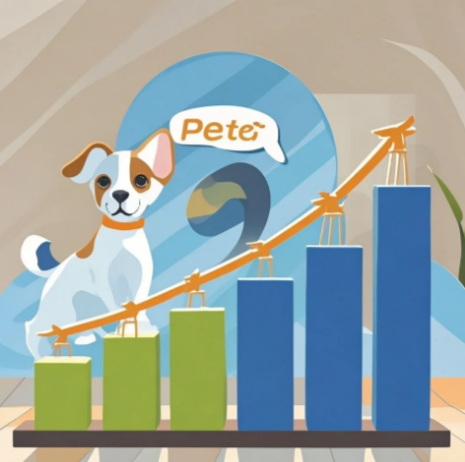
Early pet consumption focused on basic supplies such as staple food and leashes. Today, a complete industrial chain covering food, medical care, supplies, and services has been formed, with the consumption structure continuously upgrading toward high-end, refined, and emotional-oriented consumption.
Food sector: Fresh food, baked food, and functional prescription diets are rapidly emerging. The consensus among pet owners is to “feed fresh and healthy food”, driving the pet food market from homogeneous price competition to quality competition.
Supplies sector: “Smart” products like automatic feeders, self-cleaning litter boxes, and pet smart collars are gaining popularity. These products not only free pet owners from daily chores but also meet the demand for scientific pet care, with the market size of related categories growing at an annual rate of over 30%.
Services sector: Emerging services ranging from daily grooming, beauty styling, and foster training to pet insurance, pet-friendly travel, pet funerals, and pet psychological counseling continue to emerge. Covering the entire life cycle of pets from “bringing home” to “final farewell”, these services have become new growth engines of the industry.
Dual transformations in demographics and channels: Reshaping the competitive landscape of the pet market
In terms of consumer demographics, post-90s remain the core force of pet consumption, while post-00s are the fastest-growing group. They are more willing to pay for appearance, experience, and emotional value. The elderly, entering the market with “indulgent consumption”, prefer practical, cost-effective products and services. The demand differences across generations provide opportunities for refined brand operation.
For channels, online-offline integration has become the mainstream trend. E-commerce platforms and live-streaming sales enable efficient reach of pet food and supplies, while social media platforms like Douyin and Xiaohongshu have become core positions for brand promotion and pet owner communication. Offline pet stores, hospitals, and parks undertake functions of experience, service, and social interaction. The model of “online customer acquisition + offline service” is reshaping the industry’s channel landscape.
Future outlook: High-quality development driven by emotional rigid needs
Industry insiders generally believe that the pet economy is essentially “emotional consumption”. Future competition has long moved beyond price wars, with the core lying in understanding the emotional rigid needs of pet owners across different generations. With the gradual improvement of industry standards and strengthened supervision, the pet market will accelerate its transition from extensive growth to branded, standardized, and professional development.
In the long run, the pet economy still holds enormous growth potential. On one hand, the penetration rate of pet ownership in third-tier cities and fourth-tier cities and county markets remains to be improved, making sinking markets a new incremental source. On the other hand, service sectors such as pet medical care, pet insurance, and pet funerals are still in the early stage, and are expected to give birth to more leading enterprises in segmented tracks.
From “raising pets” to “loving pets”, from “meeting needs” to “creating value”, the pet economy is leveraging emotional bonds to unlock a trillion-yuan market, becoming an important force in boosting domestic demand, fostering new business formats, and conveying warmth. In the wave of consumption upgrading, it continues to write a new commercial story of “human-pet coexistence”.