
China has recently confirmed the discovery of the world’s second-largest light rare earth deposit in Mianning County, Sichuan Province, marking a landmark achievement in the country’s strategic mineral exploration. Verified by the Ministry of Natural Resources, the newly explored rare earth oxide reserves in the Maoniuping mining area reach 9.67 million tonnes, bringing the total proven reserves of the mine to approximately 11.46 million tonnes. This ranks the mine second globally among operating light rare earth mines, only after the Bayan Obo deposit in Inner Mongolia. The major find greatly expands China’s domestic rare earth reserves, reshapes the global critical mineral supply landscape, and lays a solid resource foundation for the steady development of high-tech and new energy industries worldwide.
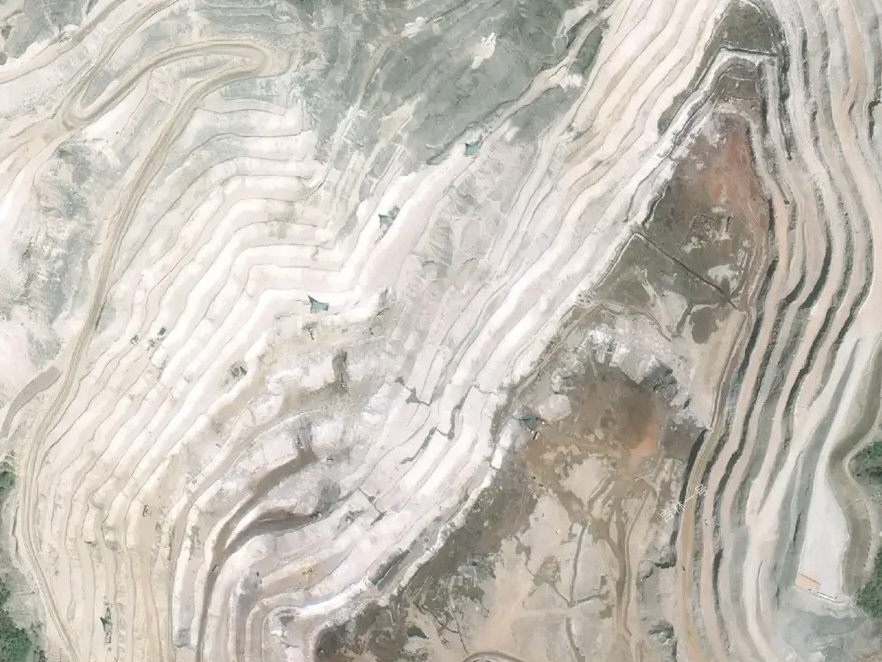
Apart from the massive rare earth reserves, the deposit boasts rich associated mineral resources that further elevate its economic and development value. Geological surveys show that the mine holds 27.14 million tonnes of fluorite and 37.23 million tonnes of barite, both reaching the scale of super-large deposits. Fluorite, as the main source of industrial fluorine, is an indispensable raw material for semiconductor manufacturing, new energy materials and other high-end industrial sectors. Barite plays a vital role in the oil and gas drilling industry, mainly used in drilling mud to prevent well blowouts. The unique advantage of multiple valuable minerals in one mine makes Maoniuping a high-quality comprehensive mineral base, with great potential for integrated development and efficient utilization.
This discovery carries profound strategic and economic significance for China’s high-end manufacturing and green energy transition. Light rare earth elements are core basic materials for modern industry, widely used in the production of permanent magnets for electric vehicles, wind turbines, precision electronic equipment and other high-tech products. Previously, China’s light rare earth supply was highly concentrated in the northern Bayan Obo mining area, which accounted for more than 80% of the country’s total reserves. The large-scale proven reserves in Maoniuping have formed a dual-core supply pattern between northern and southern China, greatly enhancing the resilience and security of the domestic rare earth industrial chain, and consolidating China’s leading position in the global rare earth market.
In the future, the Maoniuping mine is set to become a key hub of China’s rare earth industry layout. Featuring high ore grade and favorable geological conditions, the mine allows efficient mining and refined processing, helping to lower production costs and improve output efficiency. While China strictly implements rare earth mining quota controls to ensure sustainable development, the expanded reserves will sustain the long-term and stable growth of the domestic rare earth industry and meet the rising resource demand of high-end industries. This landmark achievement highlights the effectiveness of China’s strategic mineral exploration efforts, strengthens its role as a major global supplier of critical minerals, and promotes a safer and more balanced supply chain for global high-end manufacturing.