
The Japanese yen mounted a sharp and sustained rally against the U.S. dollar in the first week of September 2026, erasing much of its recent weakness and approaching levels not seen since the historic U.S.-Japan joint intervention in late July. The currency surged by more than 3.00 yen in New York trading on September 3rd alone, with the dollar-yen pair plunging from an intraday high of 160.39 to as low as 155.30 – a single-day drop of nearly 2.00 percent, the largest since the July intervention. By September 4th, the yen had breached the 156.00 level in early Tokyo trading and briefly touched the lower 155.00 range, putting the currency on track for its best weekly performance since July, with a weekly gain of approximately 2.50 percent. The dollar index, meanwhile, fell to its lowest level since May, dragged down by the yen’s strength and cooling expectations for further Federal Reserve rate hikes.
Crucially, this rally stands apart from previous yen rebounds. Unlike the July 31st intervention – when Japan and the United States jointly bought yen in their first coordinated currency action in 15 years – this week’s surge has shown no clear evidence of official intervention. Bank of Japan (BOJ) daily account data released on September 3rd indicated no dollar-selling, yen-buying operations by the Ministry of Finance. Instead, the rally has been driven overwhelmingly by a rapid repricing of monetary policy expectations. Hawkish comments from BOJ board member Hajime Takata, who said on September 2nd that future rate hikes should be conducted in a “nimble and data-dependent manner” rather than at a fixed semiannual pace, together with Governor Kazuo Ueda’s signal that rate increases could happen at any upcoming meeting, have fueled bets that the BOJ will raise its benchmark rate by 25.00 basis points to 1.25 percent at the September 17th-18th policy meeting. Overnight index swap data now prices in nearly a 100.00 percent probability of a September hike. On the other side of the Pacific, Federal Reserve (Fed) Governor Christopher Waller’s dovish remarks on September 3rd – that he would be inclined to keep rates steady if inflation data continues to cool – sharply cut market expectations for a Fed September hike to around 50.00 percent. The prospect of narrowing U.S.-Japan interest rate differentials has directly pressured the dollar-yen pair.
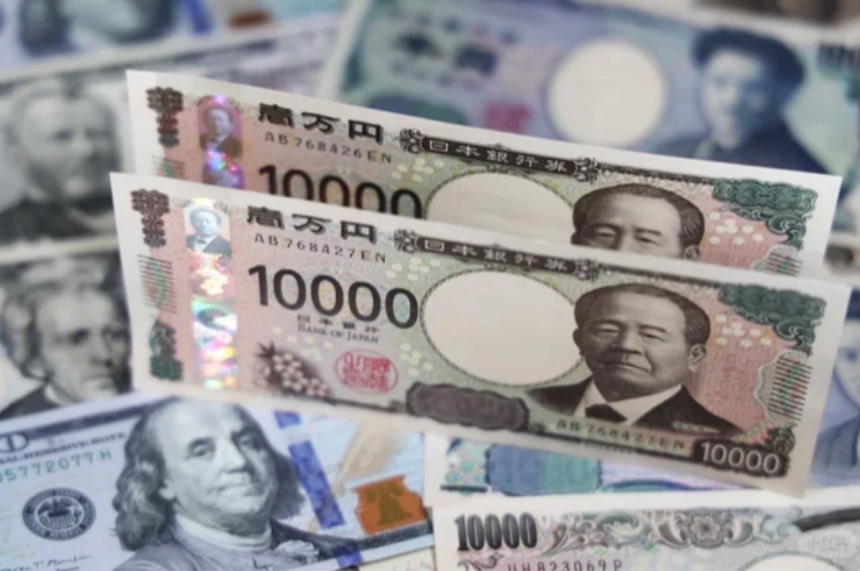
Markets are now debating whether the yen’s gains can be sustained. Goldman Sachs has argued that the yen’s structural undervaluation correction may have only just begun, pointing to the BOJ’s policy pivot and the potential for Japan’s Government Pension Investment Fund (GPIF) – the world’s largest pension fund – to reallocate assets toward domestic bonds and equities as Japanese yields rise. Bank of America has set a year-end dollar-yen target of 149.00, should the BOJ deliver a hawkish hike this month. However, not all analysts share this optimism. The bond market has already priced in as many as 4.00 rate hikes over the next six months – an aggressive pace that some argue Japan’s modest economic fundamentals, with services Consumer Price Index (CPI) lingering around 1.00 percent and nominal Gross Domestic Product (GDP) growth of only 3.00 to 4.00 percent, may not support. Meanwhile, JPMorgan has cautioned that the market may have already priced in too much, and if the BOJ’s actual policy falls short of expectations, the yen could quickly reverse. The Japanese 10-year government bond yield briefly broke above 3.00 percent on September 2nd for the first time since 1996, reflecting the scale of the market’s repricing.
Despite the yen’s impressive rally, significant risks remain. JPMorgan has warned that if dollar-yen breaks below the key 155.00 level, it could trigger a forced unwinding of an estimated 16.00 trillion to 17.00 trillion yen in short positions, potentially pushing the pair into the 142.00-146.00 range. However, the bank also cautioned that market expectations for further yen appreciation may already be excessive, maintaining a baseline forecast of 155.00-165.00. On the intervention front, Japan’s top currency diplomat Atsushi Mimura has signaled continued vigilance, stating he is “not yet comfortable” with recent yen moves, and market participants are watching for possible action during the illiquid “Silver Week” holiday period following the BOJ’s September 18th decision. As one strategist put it, the market has fully discounted a BOJ hike, and the currency could experience a “buy the rumor, sell the fact” reaction once the policy is actually delivered. For now, the yen’s trajectory remains hostage to the evolving policy narratives on both sides of the Pacific – and to the question of whether Japan’s economic fundamentals can truly support a rapid tightening cycle.