
On April 24th, 2026, the 11th China Space Day, the China National Space Administration(CNSA) announced the selected cooperation projects for the Tianwen-3 mission at the main ceremony in Chengdu, Sichuan Province. Themed “Seventy Years of Space Exploration, Joining Hands to Explore the Nine Heavens”, the event marked a significant milestone as China celebrates the 70th anniversary of its space program. CNSA confirmed that Tianwen-3 is scheduled for launch around 2028, with the aim of bringing Martian samples back to Earth approximately three years later, around 2031. This timeline reaffirms the country’s steady progress in deep space exploration, positioning the mission as a strong contender to achieve the world’s first successful Mars sample return.
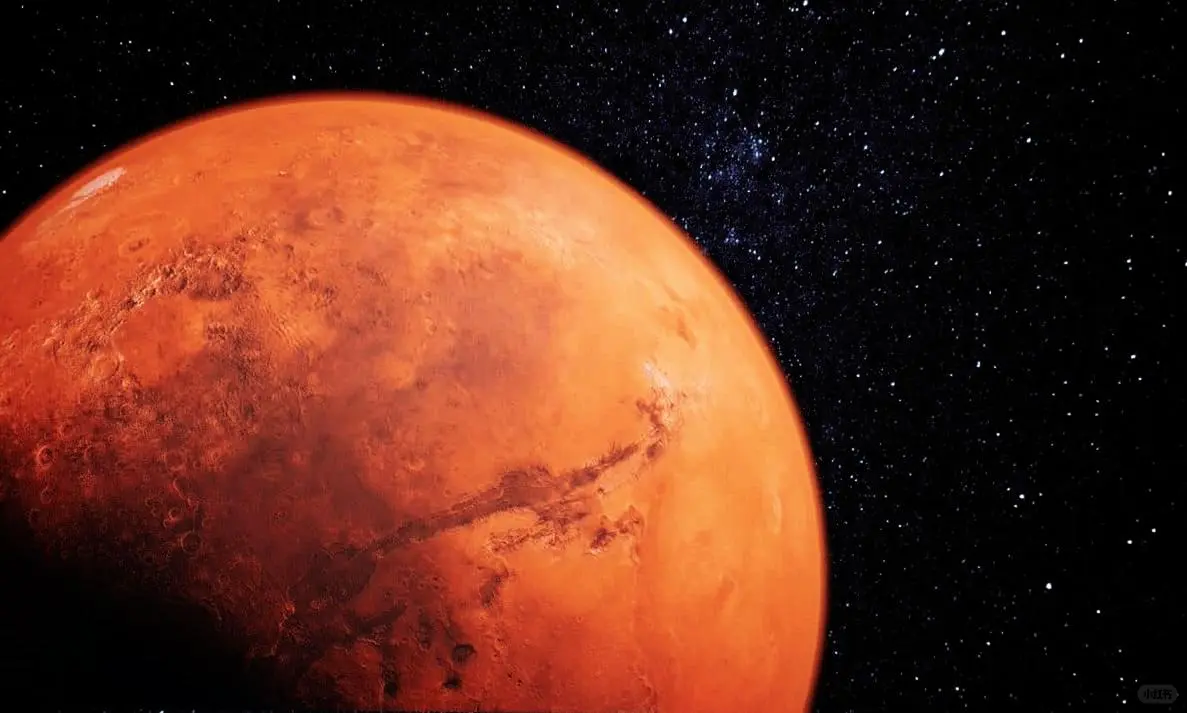
Since CNSA issued the announcement of cooperation opportunities in April 2025, the agency received a total of 28 expressions of interest. Following strict selection principles emphasizing high scientific value, strong mission support, engineering feasibility, and technological maturity, five collaborative projects were ultimately chosen to join the mission. The orbiter will host three payloads. A Mars PEX spectrometer led by the Committee on Space Research to search for signs of life and analyze surface minerals, a Mars molecular ion composition analyzer developed by Macau University of Science and Technology to study atmospheric escap and a laser heterodyne spectrometer from the Chinese University of Hong Kong to profile water isotope distribution and wind fields. The service module will carry a hyper-spectral imager from the University of Hong Kong for life traces and resource surveys, while the lander will deploy a laser retroreflector array developed by Italy’s Frascati National Laboratory to install a precise reference point on the Martian surface.
At the ceremony, Guan Feng, Director of CNSA’s Lunar Exploration and Space Engineering Center, reiterated that Tianwen-3 is a highly challenging and pioneering deep-space endeavor that could realize the world’s first Mars sample return, greatly advancing the integrated development of space science, technology, and applications. He also revealed that Tianwen-4, planned to explore Jupiter and its moons, is already on the drawing board. Meanwhile, the five selected cooperation projects have progressed smoothly, with some partners already delivering prototype products for domestic testing. CNSA affirmed its commitment to advancing these collaborations based on the principles of equality, mutual benefit, peaceful use, and inclusive development, as it works with partners to expand the frontiers of human knowledge.
The 2026 China Space Day ceremony also featured other major announcements, including new mineral discoveries from Chang’e-5 lunar samples – magnesium changesite and cerium changesite – as well as an international cooperation call for the solar probe Xihe-2 and the release of a commercial aerospace standard system. Held in Chengdu with Brazil as the guest country of honor, the event showcased China’s growing openness in the global space community. As Tianwen-3 moves into its deployment phase, it stands as a testament to the country’s rising capabilities, harnessing international collaboration to accelerate the race to bring the Red Planet’s secrets back to Earth.