
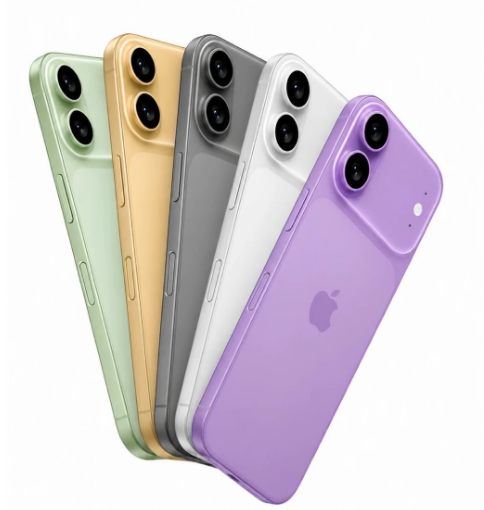
Bloomberg’s tech correspondent Mark Gurman released exclusive supply chain reports, which were further validated by Apple’s official cost warnings during its Second Quarter (Q2) earnings call. The upcoming iPhone 18 lineup launching this September will see sweeping global price hikes. Standard domestic models will cost an extra RMB 675, while high-end Pro and Pro Max versions face a maximum price jump of RMB 1,350. Apple’s first foldable iPhone, debuting alongside the series, will start above RMB 13,500, hitting a record price point for Apple smartphones. This marks Apple’s steepest hardware price adjustment in five years, driven by semiconductor supply chain shortages fueled by the artificial intelligence (AI) computing boom, a trend rippling across all consumer electronics.

Surging upstream costs force price adjustments
Apple Chief Executive Officer (CEO) Tim Cook acknowledged during the earnings briefing that memory chip prices have undergone an unprecedented spike, leaving nearly no room for internal cost cuts and making device price hikes inevitable. Three major cost pressures are at play.
First, a severe imbalance between memory chip supply and demand stands as the core driver. Global AI data centers and large model developers are monopolizing advanced dynamic random access memory (DRAM) and NAND wafer capacity from Samsung, SK Hynix and Micron, prioritizing high-bandwidth memory for AI servers and drastically limiting chip allocations for mobile devices. The 12GB memory module fitted on the iPhone 18 Pro has seen its procurement cost jump from $39 to $145, and 256GB flash storage costs have nearly tripled, adding over RMB 1,000 in component expenses per flagship unit. Meanwhile, the A20 Pro chip adopts Taiwan Semiconductor Manufacturing Company (TSMC)’s 2nm manufacturing process with foundry quotations rising 5.0% to 10.0%, nearly doubling single-chip costs and pushing up overall hardware spending.
Second, hardware upgrades inflate Research and Development (R&D) and manufacturing expenses. The new Pro lineup features revamped variable-aperture camera hardware that raises camera module costs by 50.0%. The foldable iPhone requires custom hinges and ultra-thin glass structures, incurring far higher production costs than regular flat-screen iPhones. Additional supply chain security overhead, stemming from past data leaks at India-based assembly plants, further lifts Apple’s component procurement bills by 5.0% to 8.0%.
Prior to iPhones, Apple has already raised prices across Mac, iPad and Vision Pro worldwide, with domestic tablets and laptops up 15.0% to 20.0% and entry-level MacBook models marked up RMB 900, laying groundwork for the iPhone price revision. Cook clarified that tariffs have no bearing on this round of price increases, which stem purely from soaring upstream component prices.
Industry-wide trend: Higher prices, lower smartphone shipments
Apple’s pricing shift is not isolated; consumer electronics have faced universal price hikes throughout 2026. Major domestic smartphone brands including Huawei, Xiaomi, OPPO and vivo rolled out one or two rounds of price increases in the first half of the year, with mid-range phones up RMB 300 to 500 and top flagships surging by as much as RMB 1,100. Laptops and game consoles have followed suit, with gaming notebooks from Lenovo and Asus jumping more than 50% within six months.
Counterpoint Research forecasts that squeezed chip margins and weaker consumer demand from elevated device prices will push global smartphone shipments down 13.9% year-on-year to 1.08 billion units in 2026, a 13-year low, trapping the industry in a vicious cycle of chip shortages, retail price hikes and shrinking consumer purchases. Digital retail outlets report reversed market logic this year: unlike past years where shoppers waited for post-launch discounts, consumers now rush to stock up ahead of new releases fearing further price rises. Demand for budget and mid-tier devices has cooled notably.
Market analysis: High price floor to persist, industry landscape to reshape
Institutional outlook: TrendForce analysts predict tight memory chip supplies will last through mid-2027 due to sustained AI infrastructure expansion, locking consumer electronics into an expensive pricing cycle for at least 12 more months. Flagship phones with built-in AI features will bear the brunt of cost pressures, delaying any meaningful price declines.
Retailers and consumers: Authorized Apple resellers in major cities plan to roll out trade-in rebates and zero-interest installment plans to offset sticker shock, yet subsidies will not fully offset thousand-yuan price hikes. Many budget-conscious buyers are switching to cost-effective Android flagships, while loyal high-end users are snapping up existing iPhone 17 inventory, driving a 22.0% month-on-month sales lift for older models in physical stores.
Long-term industry shifts: Economists argue Apple’s steep price hikes will raise barriers to premium smartphone entry, creating market opportunities for domestic high-end brands. Flagship Android models from Huawei and Xiaomi deliver comparable imaging and on-device AI features at prices RMB 2,000 to 4,000 lower than the new iPhones, poised to capture Apple’s existing customer base. The sustained cost crunch will also accelerate supply chain diversification for electronics makers, boosting development of domestic memory and advanced packaging industries.