
Global dynamic random access memory (DRAM) prices have stayed firmly on an upward trajectory, as an artificial intelligence (AI)-fueled super cycle in the memory chip sector ripples through personal computers (PCs), smartphones, cloud computing and other downstream markets, pushing up hardware costs. Tracking data from TrendForce and other research firms shows DRAM contract prices are projected to rise roughly 20% quarter-on-quarter in quarter 4 (Q4) 2026, while NAND flash prices are set for a 15%-20% increase. Spot prices for consumer-grade double data rate 4 (DDR4) and double data rate 5 (DDR5) modules have surged sharply from lows recorded last year amid tight spot supply.
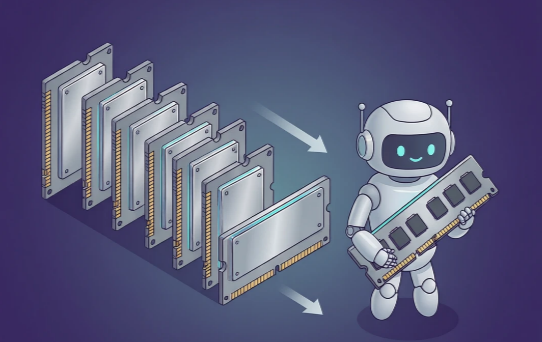
This rally differs from previous upturns driven by a rebound in consumer electronics demand. At its core lies structural capacity imbalance. Samsung, Sunkyong (SK) Hynix and Micron dominate most of the world’s DRAM output. Since the AI boom took hold, these manufacturers have reallocated wafer and cleanroom capacity toward high-margin High Bandwidth Memory (HBM) and server-grade DDR5 chips to fulfill orders from cloud operators and AI compute clusters. Production capacity for mainstream consumer memory has been squeezed, creating a clear capacity-siphoning effect. Combined with aggressive production cuts and inventory reduction implemented by major players during the prior industry downturn, overall inventory levels have fallen to a low point, widening the supply-demand gap.
“A single AI server consumes several times the DRAM volume of a conventional server. HBM dies take up substantial wafer area, crowding out capacity for standard memory.” an electronics analyst commented. Large model training and inference workloads keep draining storage resources. Backed by robust order books and superior profit margins, HBM receives priority in new capacity investments, meaning output for consumer memory cannot expand quickly in the near term and extending the price uptrend. Many analysts expect DRAM’s rally to last through the first half of 2027, with some bullish forecasts suggesting tight supply may persist into 2028.
Cost pressures cascade down the supply chain. PC and laptop brands bear the brunt as memory accounts for a larger share of their bill of materials. Some brands have lifted retail prices, while others mitigate higher costs by adjusting default memory configurations. Smartphone makers face similar headwinds, with storage taking a bigger slice of total hardware expenses. Cloud providers have also rolled out price hikes for compute instances, block storage and object storage services. Many enterprises have delayed or scaled back information technology (IT) infrastructure upgrades and server refresh plans. For do it yourself (DIY) builders and small businesses, procurement costs have risen noticeably, and hoarding behavior in distribution channels has amplified spot price volatility.
Downstream players are pursuing two major strategies to mitigate supply-chain risks. First, hardware vendors are diversifying their supplier base and adopting more domestic memory chips to reduce reliance on overseas suppliers. Second, local storage firms keep advancing their technology and ramping up capacity to complete their DRAM and NAND product portfolios, building a long-term buffer for supply-chain security.
Researchers flag downside risks. The market remains highly segmented: HBM and server storage stay buoyant, yet a slowdown in AI capital spending or inventory destocking by cloud vendors could cool price gains. Industry advice for downstream firms includes securing long-term pricing contracts and multi-sourcing components. For end consumers, higher prices for computers, phones and storage devices are likely to remain for some time.