
Engineers have finished a year-long marine test of tidal turbine blades built from thermoplastic composites, marking a major step toward solving the waste problem facing marine energy hardware.
Traditional tidal blades are made from thermoset resin mixed with fiberglass or carbon fibre. Once damaged or retired, they cannot be melted down and reshaped. Most end up in landfills, and only a small fraction can be recycled through labour-intensive chemical processing. The new thermoplastic material softens under controlled heat, allowing full recovery of fibre reinforcement after the blade reaches the end of its service life.
The 6-metre prototype blades were deployed at a high-flow tidal test site, where currents regularly shift direction and carry sand, shell fragments and floating debris. Inspection after 12-month showed minimal surface erosion and no structural cracking. The team recorded stable power output and confirmed the blades match the hydrodynamic performance of conventional epoxy-based designs.
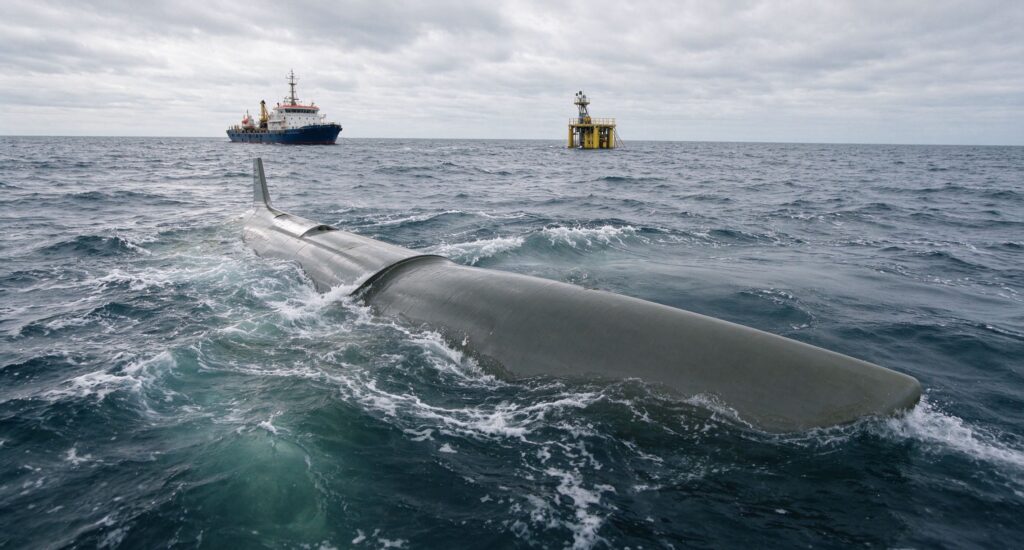
Beyond recyclability, the material brings practical manufacturing benefits. Blade sections can be joined together by thermal welding instead of adhesive bonding, cutting assembly time and lowering failure risks at seams. Damaged blades can also be repaired on-site by reheating and remoulding local sections, rather than requiring full replacement.
Marine energy developers note that recyclability is becoming a key requirement for project permits, especially in coastal conservation zones. Many tidal energy farms face scrutiny over the lifecycle footprint of their components, even though the electricity they generate is zero-carbon.
The research team will scale up to 12-metre blades for commercial turbine platforms next year. They are working with component suppliers to set up a dedicated recycling workflow that collects retired blades, separates fibres and remanufactures them into new marine parts. Industry analysts say the material could lower the long-term environmental cost of tidal power and help the sector compete with offshore wind on sustainability metrics.