
At the 2nd Union Cardio-Cerebrovascular Congress held on November 29, Vice President of Peking Union Medical College Hospital, Du stated: “In the critical field of preventing and treating cardio-cerebrovascular diseases, the isolated efforts of a single discipline can no longer address complex disease challenges. It is imperative to break down traditional disciplinary barriers and establish a patient-centered, disease-oriented multidisciplinary collaborative diagnosis and treatment model.”
As the two core hubs of human life activities, the heart and the brain are not only closely linked to physiological functions but also interact with each other in the occurrence and progression of diseases, forming a sophisticated and complex regulatory network in the human body.
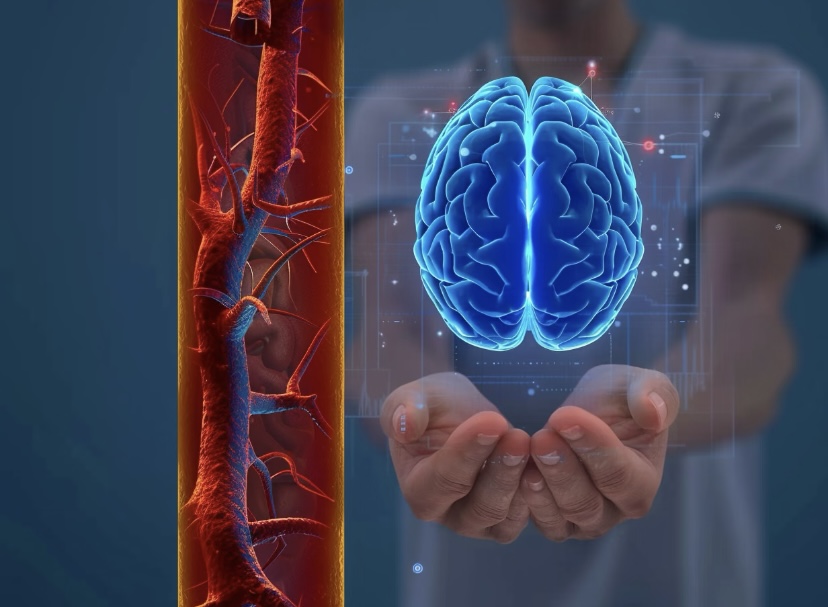
Vice Dean of the School of Neurosurgery at Capital Medical University and Chief Physician of Beijing Tiantan Hospital, Wang noted: “Many patients suffer from comorbid cardio-cerebrovascular diseases.” Research shows that 28% to 31% of patients initially diagnosed with cerebrovascular diseases also have cardiovascular diseases; among those first diagnosed with cardiovascular diseases, more than 50% suffer from cerebrovascular diseases. Simultaneous treatment of heart and brain diseases can reduce the number of treatments, shorten the overall treatment duration, and facilitate patient recovery.
Currently, simultaneous treatment of heart and brain diseases still faces challenges such as the lack of unified management protocols and treatment strategies, as well as barriers to interdisciplinary cooperation.
“Healthy China Initiative: Implementation Plan for the Prevention and Control of Cardio-Cerebrovascular Diseases (2023-2030)” clearly requires innovating pathways for the co-prevention and co-treatment of cardio-cerebrovascular diseases. By 2030, a nationwide comprehensive prevention and control system, as well as an early diagnosis and treatment system for cardio-cerebrovascular diseases, should be established.
Efforts from multiple parties are converging
The Department of Cardiac Surgery and Department of Neurosurgery at Peking Union Medical College Hospital have jointly established a “simultaneous heart-brain surgery” treatment platform. Several domestic cardio-cerebrovascular disease centers have collaborated to build the first clinical research database and scientific research platform for comorbid cardio-cerebrovascular diseases in the Chinese population, as well as an artificial intelligence-assisted system for co-prevention and co-treatment. Many hospitals nationwide have also set up joint clinics and wards dedicated to comorbid cardio-cerebrovascular diseases.
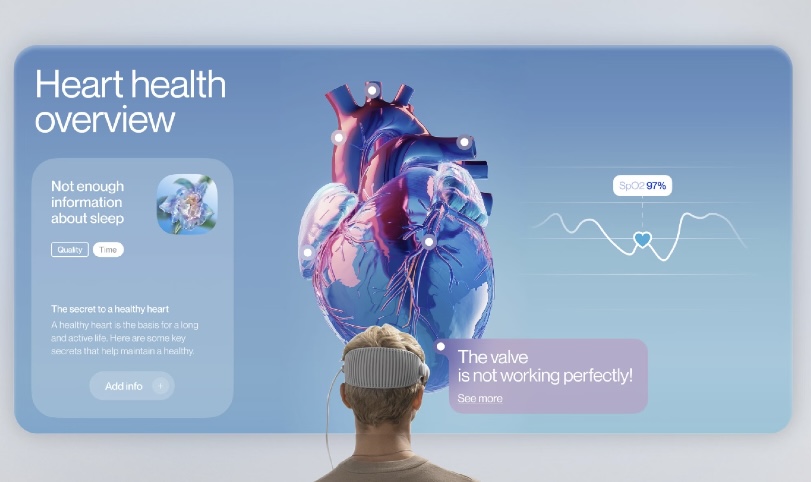
Secretary-General of the China Pharmaceutical Biotechnology Association, Zhao stated: “Currently, biotechnology is in a stage of explosive development. Cutting-edge technologies such as gene therapy and cell therapy are reshaping the landscape of human efforts to combat diseases.” This further underscores the need to accelerate in-depth interdisciplinary integration and promote the rapid translation of advanced biotechnology achievements into clinical practice.
President of Peking Union Medical College, Chinese Academy of Medical Sciences, Ji advocated: “The development of heart and brain health requires breakthroughs across multiple dimensions.” We must not only accurately regulate cardiac rhythm and brain function, and refine diagnostic and therapeutic technologies in internal and surgical medicine, but also integrate original innovations in basic medicine, and more importantly, embrace technological empowerment from frontier fields such as engineering, information technology, and artificial intelligence.